Semantics over Safety: The Case of Substantially Equivalent

Coming across this Atlantic article in my Google Reader, I was reminded of another interesting move that enabled the release of GMO crops into our food system.

In order to get GMOs to market faster at their launch, the Organization for Economic Co-operation and Development (OECD) proposed a regulatory approval concept called “Substantially Equivalent” that would allow new food products that were, you guessed it, ‘substantially equivalent’ to bypass food safety due diligence processes and research. This fast track label was accepted by the World Health Organization (WHO) and the Food and Agriculture Organization (FAO) first, and is now widely used as an easy judgement tool by agencies including the USDA and the United Nation’s Food and Agriculture Organization.

To be deemed substantially equivalent, the new food product is assessed on the similarities of the resulting product of the new manufacturing process to the natural product. GMO crops are deemed to be the same as natural crops, as they look and behave similarly. However, the fact that our understanding of DNA is a relatively new science means that we don’t have enough information to deem the process of genetic modification safe, regardless of what the plant does or looks like. 

The Atlantic article mentioned above highlights a study released by Chinese researchers affiliated with the Nanjing Unversity. The Nature magazine published study shows microRNA has the ability to change actions of its organism, resulting in unseen but influential consequences. mRNA has been known for years to drive many human diseases, including cancer.

So what’s truly going on behind the scenes of your GMO garden burger, potato chips, or corn-fed steak? GMO manufacture Monsanto is not interested in telling us or finding out, as they are publicly against testing their products for human consumption, saying that because DNA is a natural substance, its manipulation inherently poses no risks.

The Food Safety section of Monsanto’s website states:

There is no need for, or value in testing the safety of GM foods in humans. So long as the introduced protein is determined safe, food from GM crops determined to be substantially equivalent is not expected to pose any health risks. Further, it is impossible to design a long-term safety test in humans, which would require, for example, intake of large amounts of a particular GM product over a very large portion of the human life span. There is simply no practical way to learn anything via human studies of whole foods. This is why no existing food—conventional or GM—or food ingredient/additive has been subjected to this type of testing. 

This means that we, the consumers, cannot be guaranteed that the foods we eat have been tested for our safety or that the externalities of the sciences used to develop them are understood - or are currently even being tracked. 

Given that 94% of soybeans and up to 75% of corn grown in the US is GMO, and an estimated 70% of US processed foods contain these crops, the acceptance of these foods without understanding on the part of our regulatory agencies is an outrageous and unforgivable threat to our health.

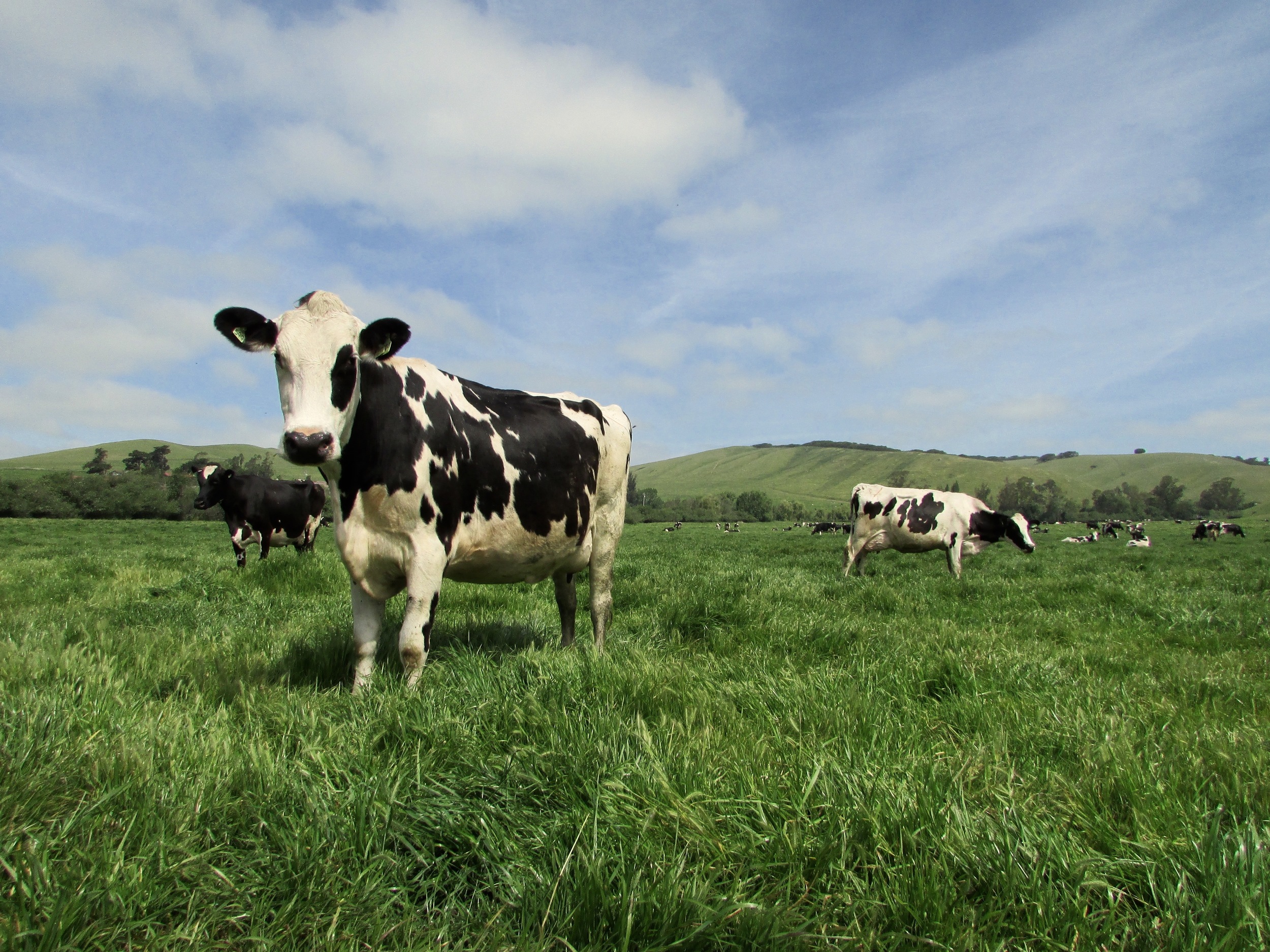
What can we do, as simple bystanders to the conversion of our food supply? Support organics. Know that your food is certified as not containing GMO. Don’t buy-in to the ethanol craze. And eat meat that’s been fully grassfed, or supplemented with certified organic feed. 

Cost Cutting Means Getting GMOs to Market Faster

America’s debt is now as big as our economy. You read that right.

In attempts to cut federal spending, the USDA has announced several major changes afoot, claiming that these streamlined operational processes will save $150M annually (a tiny amount given that our debts are over $15.2 Trillion). 

The plan is being called the Blue Print for Stronger Service; press release here. All of the changes give way for pause and analysis, and the language for every USDA Department Fact Sheet is very vague. 

Very concerning is a mandate to reduce the time it takes to approve Genetically Engineered Plant products. This bullet point is found on the Marketing and Regulatory page, and is in bold italics below:

 APHIS (Animal and Plant Health Inspection Service) is dramatically reducing times for programmatic processes and procedures, cutting wait time by 20 to 76 percent and enhancing business competiveness, by:

  • Streamlining risk assessment and rulemaking processes for imported animal and plant products;
  • Reducing length and variability of time it takes to make determinations on petitions for nonregulated status for genetically engineered plants; and  
  • Streamlining the enforcement process against those who jeopardize plant and animal health and animal welfare focus on the most serious violators and resolve typical cases in substantially less time.

With Secretary Vilsack as a known GMO advocate, this addition comes to no surprise. How they plan to do this is still a question mark. 

This pending policy change is yet another reason to support the labeling of GMO foods. Very limited information is known on both the short and long term affects of feeding ourselves genetically modified foods. And when research is done, to negative results, strong efforts are made against the release of that information. What we are seeing, however, are studies showing significant adverse health effects from consuming the pesticide, Roudup, used to grow GMO crops.

This simply shows that we do not know enough to tell the public that these foods are safe to eat and feed our children, and that is should be our right as citizens to know what we are eating. 

Whether you support biotech and genetically engineered foods, it’s hard to deny that we, as Americans, should have the knowledge to give us the freedom to choose

FDA’s First Move Against Livestock Antibiotic Dosing

2012 begins with a little hope for improved livestock production - The FDA announced that it will set policies to limit the use of the antibiotic cephalosporins in animal food production by banning the extra label (ie: unapproved) use of the drug. 

While any showing by the FDA to limit antibiotic use is good, the class of cephalosporins only represents less than 0.25% of antibiotic use in farm animal production. A drop in the bucket considering that over 70% of antibiotics consumed in the US are fed or given to farm animals - representing a market currently worth over US$8B.

Industry interests in the pharmaceutical sector are clear, but that number doesn’t touch on the billions raked in by companies whose meat production practices rely on heavy antibiotic doses used in animal farming in the name of food safety.

Still, as the Pew Trust applauds, it is still a step in the right direction.

Corn: Subsidies Slide, Mandates Maintain

Some may have heard the recent news that federal subsidies for ethanol production were not renewed at the end of 2011. In what sounds like a win for taxpayers and those who are anti-ethanol, note that the Renewable Fuel Standard (see: EPA and Bioenergy Wiki) still requires by law that a growing percentage of corn grown in the US be allocated for ethanol production. This strong enforcement guarantees buyers for corn and, thus, keeps the price of corn at a steady, high place. 

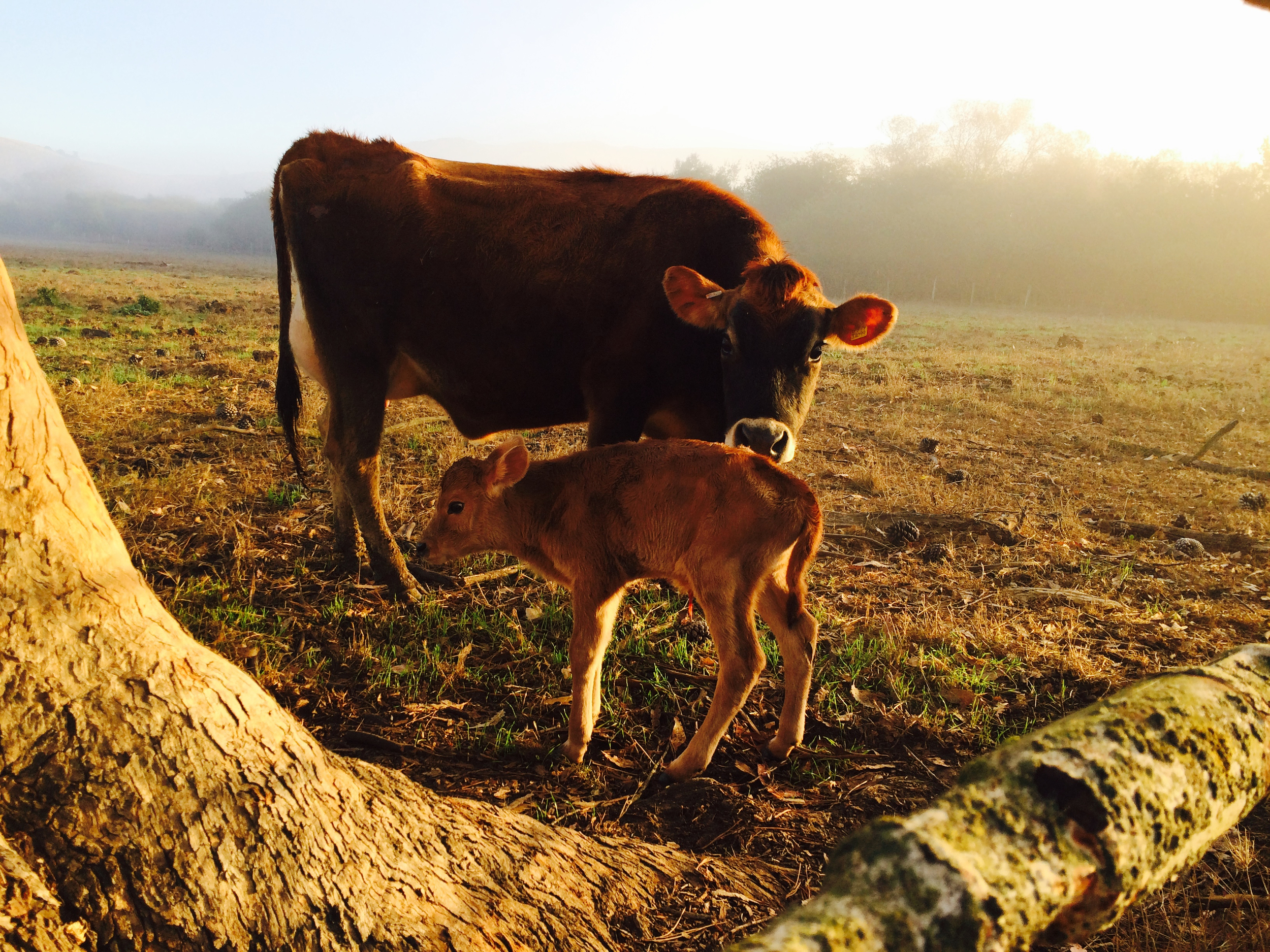
A tribute to heritage cattle breeds by National Geographic, and a wonderful way to help us be thankful for biodiversity!

A tribute to heritage cattle breeds by National Geographic, and a wonderful way to help us be thankful for biodiversity!


        Organic Watch